
Your Safe, Non-Medication
Relief for Depression
Transcranial Magnetic Stimulation (TMS)
A gentle, non-invasive treatment that targets mood-regulating brain areas without medication, sedation, or downtime.
Your Safe, Non-Medication
Relief for Depression
Transcranial Magnetic Stimulation (TMS)
A gentle, non-invasive treatment that targets mood-regulating
brain areas without medication, sedation, or downtime.
.
Insurances Accepted
Our team can confirm your benefits and
guide you through your options.






Conditions
Treated by TMS
Major Depressive Disorder (MDD)
Persistent depression can affect mood, energy, motivation, and daily functioning.
Common signs:
- Persistent sadness
- Loss of interest
- Fatigue
- Difficulty concentrating
Treatment Options:
Spravato, TMS, or Ketamine Therapy
Treatment-Resistant Depression (TRD)
Treatment-resistant depression means symptoms continue despite trying at least two antidepressants at adequate dose and duration.
Common signs:
- Persistent sadness
- Ongoing low mood
- Minimal response to medication
- Loss of motivation
Treatment Options:
Spravato, TMS, or Ketamine Therapy
Migraines & Headaches
Chronic or severe headaches can impact daily life, causing pain, fatigue, and difficulty functioning. Professional care can help reduce symptoms and improve quality of life.
Common signs:
- Recurrent or intense head pain
- Sensitivity to light or sound
- Nausea or dizziness
- Difficulty concentrating or performing daily tasks
Treatment Options:
- Ketamine Therapy oral or intramuscular for pain management
- TMS may help for certain chronic migraine patterns
- SPRAVATO® Therapy in some cases where depression coexists
PTSD
Post-traumatic stress disorder may develop after trauma and can affect mood, sleep, and sense of safety.
Common signs:
- Flashbacks
- Nightmares
- Hypervigilance
- Avoidance
Treatment Options:
TMS or Ketamine Therapy
OCD
Obsessive-compulsive disorder involves intrusive thoughts and repetitive behaviors that can interfere with daily life.
Common signs:
- Intrusive thoughts
- Repetitive checking
- Excessive cleaning
- Mental rituals
Treatment Options:
TMS or Ketamine Therapy
Anxiety
Anxiety can cause persistent worry, physical tension, and difficulty managing daily stress. Advanced therapies may help when symptoms remain severe.
Common signs:
- Excessive worry
- Restlessness
- Muscle tension
- Racing thoughts
Treatment Options:
TMS or Ketamine Therapy
Trauma-Related Symptoms
Trauma can affect emotional regulation, safety, and daily functioning long after a difficult experience.
Common signs:
- Emotional numbness
- Hypervigilance
- Irritability
- Avoidance
Treatment Options:
TMS or Ketamine Therapy
Sleep Disturbances
Sleep problems often occur alongside depression, anxiety, and trauma-related conditions. Improving the underlying condition may improve sleep.
Common signs:
- Difficulty falling asleep
- Frequent waking
- Early morning waking
- Daytime fatigue
Treatment Options:
TMS or Ketamine Therapy
Insurances Accepted
Our team can confirm your benefits and guide you through your options.
Conditions TMS Therapy Treat
Major Depressive Disorder (MDD)
Persistent depression can affect mood, energy, motivation, and daily functioning.
Common signs:
- Persistent sadness
- Loss of interest
- Fatigue
- Difficulty concentrating
Treatment Options:
Spravato, TMS, or Ketamine Therapy
Treatment-Resistant Depression (TRD)
Treatment-resistant depression means symptoms continue despite trying at least two antidepressants at adequate dose and duration.
Common signs:
- Persistent sadness
- Ongoing low mood
- Minimal response to medication
- Loss of motivation
Treatment Options:
Spravato, TMS, or Ketamine Therapy
Migraines & Headaches
Chronic or severe headaches can impact daily life, causing pain, fatigue, and difficulty functioning. Professional care can help reduce symptoms and improve quality of life.
Common signs:
- Recurrent or intense head pain
- Sensitivity to light or sound
- Nausea or dizziness
- Difficulty concentrating or performing daily tasks
Treatment Options:
- Ketamine Therapy oral or intramuscular for pain management
- TMS may help for certain chronic migraine patterns
- SPRAVATO® Therapy in some cases where depression coexists
OCD
Obsessive-compulsive disorder involves intrusive thoughts and repetitive behaviors that can interfere with daily life.
Common signs:
- Intrusive thoughts
- Repetitive checking
- Excessive cleaning
- Mental rituals
Treatment Options:
TMS or Ketamine Therapy
Anxiety
Anxiety can cause persistent worry, physical tension, and difficulty managing daily stress. Advanced therapies may help when symptoms remain severe.
Common signs:
- Excessive worry
- Restlessness
- Muscle tension
- Racing thoughts
Treatment Options:
TMS or Ketamine Therapy
Trauma-Related Symptoms
Trauma can affect emotional regulation, safety, and daily functioning long after a difficult experience.
Common signs:
- Emotional numbness
- Hypervigilance
- Irritability
- Avoidance
Treatment Options:
TMS or Ketamine Therapy
Sleep Disturbances
Sleep problems often occur alongside depression, anxiety, and trauma-related conditions. Improving the underlying condition may improve sleep.
Common signs:
- Difficulty falling asleep
- Frequent waking
- Early morning waking
- Daytime fatigue
Treatment Options:
TMS or Ketamine Therapy
What is TMS?
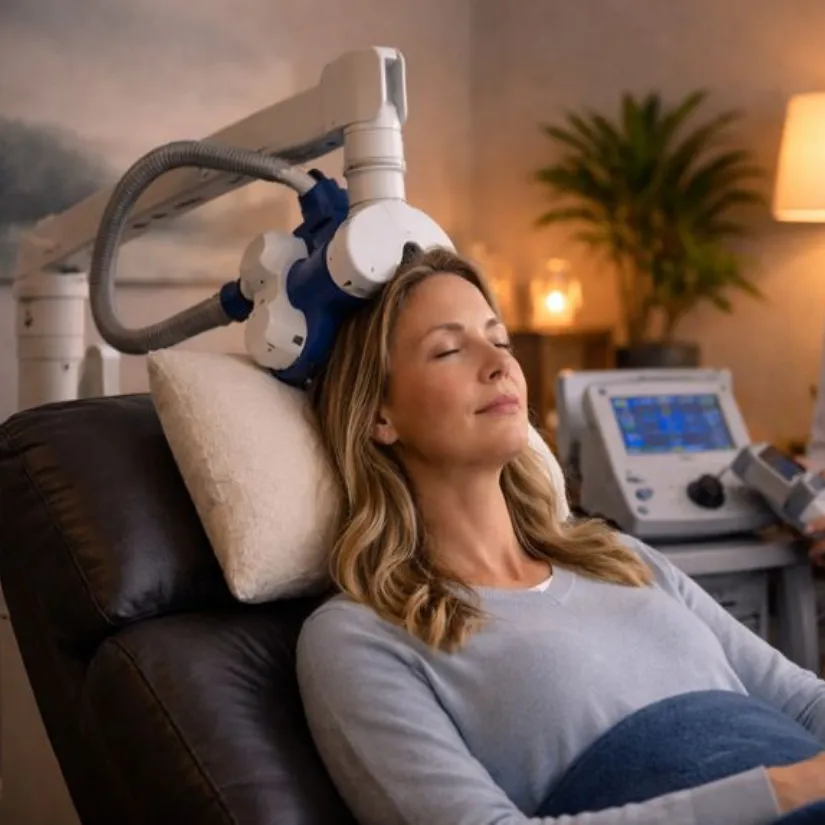
Transcranial Magnetic Stimulation or TMS provides a gentle, non-invasive approach to depression, offering an alternative when medications aren’t enough. Many patients experience brighter moods, increased energy, and sharper focus over the course of treatment.
During a session:
You sit comfortably while a magnetic coil is placed near your head.
You may feel a light tapping sensation and hear soft clicking sounds.
Sessions are short, and you can return to your day immediately afterward.
What is TMS?
Transcranial Magnetic Stimulation or TMS provides a gentle, non-invasive approach to depression, offering an alternative when medications aren’t enough. Many patients experience brighter moods, increased energy, and sharper focus over the course of treatment.
During a session:
You sit comfortably while a magnetic coil is placed near your head.
You may feel a light tapping sensation and hear soft clicking sounds.
Sessions are short, and you can return to your day immediately afterward.

Patients often Notice:
- Feeling emotionally present
- Less mental overwhelm
- Renewed motivation
- Clearer thinking
- A sense of hope

Patients often Notice:
Feeling emotionally present
Less mental overwhelm
Renewed motivation
Clearer thinking
A sense of hope
Why patients choose Attuned Psychiatry
Standard Antidepressants
Response Rate
5%–15%
Long Term Stability
5%–15%
TMS Therapy
Response Rate
69%-83%
Long Term Stability
65%-70%
At Attuned Psychiatry, treatment is never rushed.
Your TMS sessions happen in a monitored, supportive environment where comfort and safety come first.
What makes your care different:
Experienced psychiatric supervision
Calm in-clinic monitoring after each treatment
Insurance guidance before treatment begins
Personalized psychiatric evaluation before approval
Brain Changes After
Advanced Depression Treatments
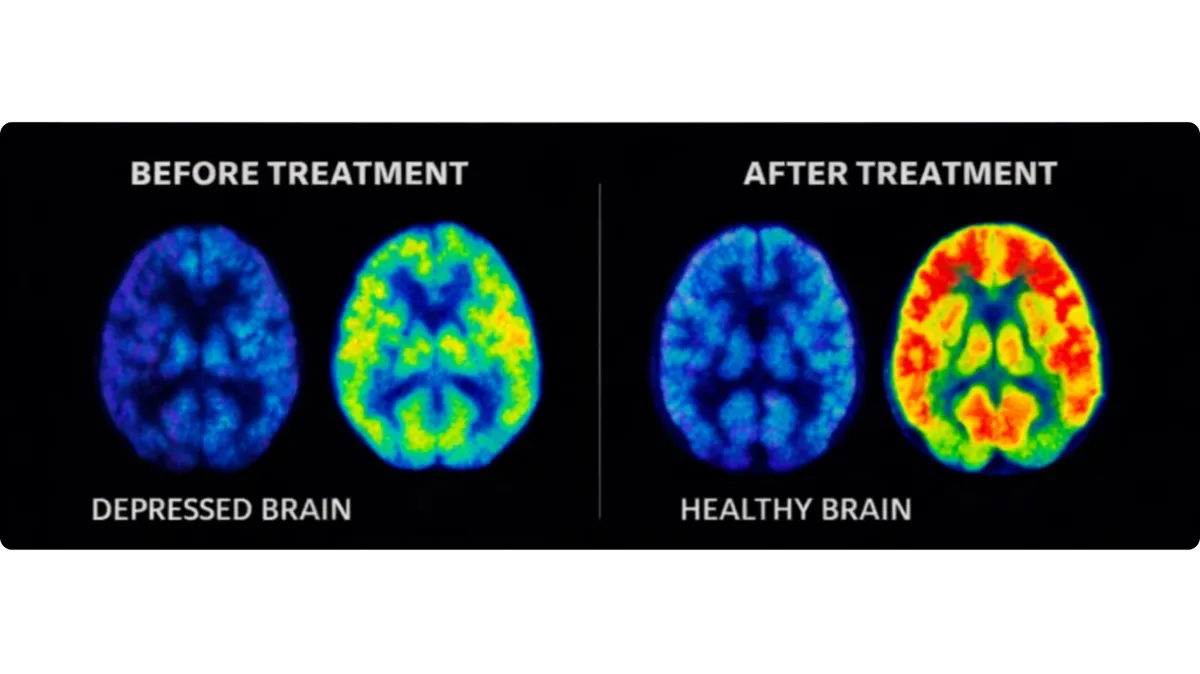
This PET scan shows brain activity with blue/purple for low energy and yellow/red for high. It highlights that a depressed brain is less active than a healthy one and that depression can be restored through treatment.
Brain Changes After
Advanced Depression Treatments
This PET scan shows brain activity using color, where blue and purple represent low energy and yellow and red represent high energy. It illustrates how a "depressed" brain is physically less active—essentially dimmed down—while a "healthy" brain is vibrant and fully engaged. The comparison highlights that depression is a biological state, but one that can be "recharged" and restored through treatment.
.
Why patients choose Attuned Psychiatry
TMS Therapy
Response Rate
69%–83%
Long Term Stability
65%–70%
Standard Antidepressants
Response Rate
5%–15%
Long Term Stability
5%–15%
What makes your care different:
Experienced psychiatric supervision
Personalized psychiatric evaluation before approval
Calm in-clinic monitoring after each treatment
Insurance guidance before treatment begins
At Attuned Psychiatry, treatment is never rushed.
Your TMS Therapy sessions happen in a monitored, supportive environment where comfort and safety come first.
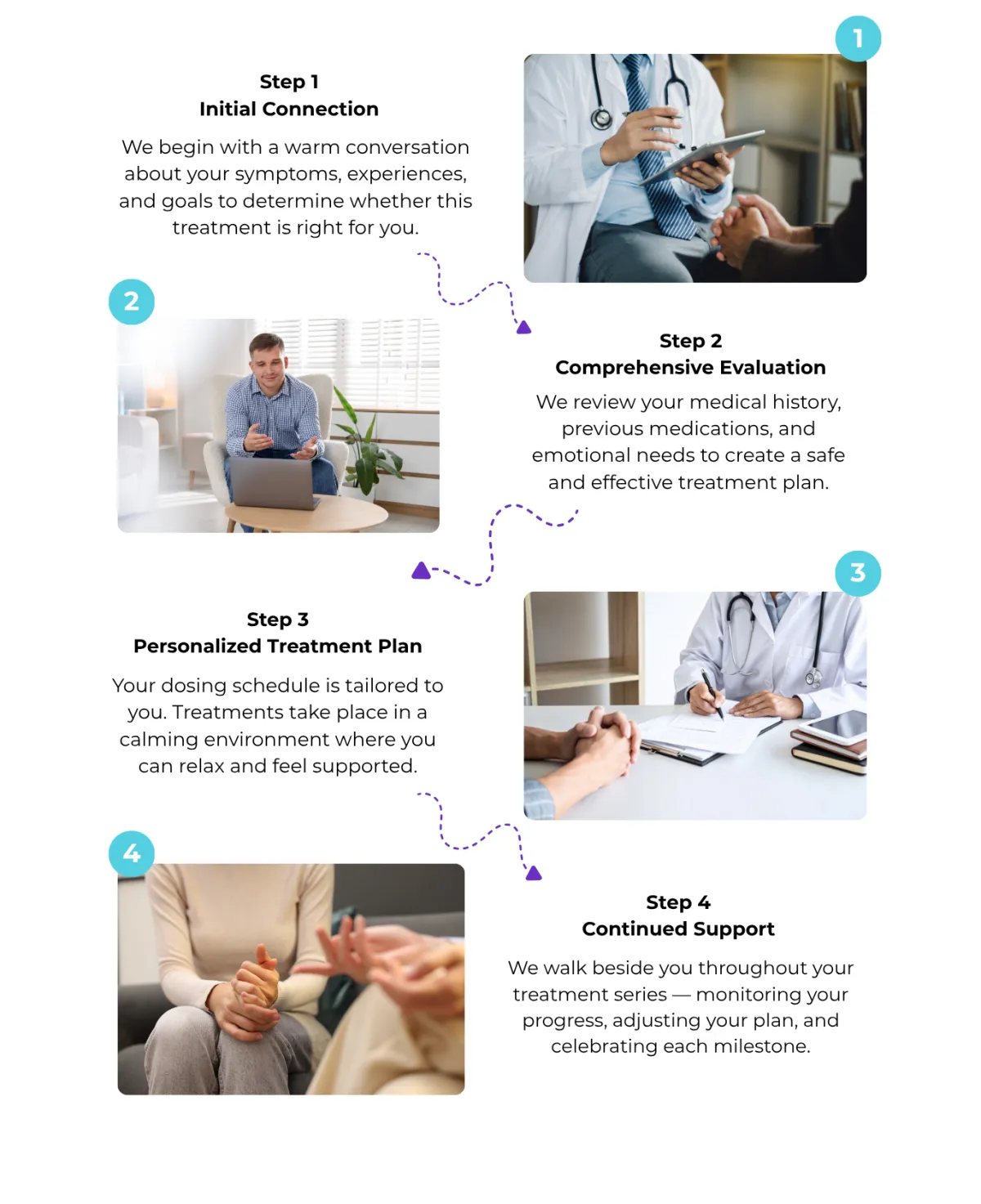
What to Expect on Your Care Journey
Step 1
Initial Connection
We begin with a warm conversation about your symptoms, experiences, and goals to determine whether this treament is right for you.
Step 2
Comprehensive Evaluation
We review your medical history, previous medications, and emotional needs to create a safe and effective treatment plan.
Step 3
Personalized Treatment Plan
Your dosing schedule is tailored to you. Treatments take place in a calming environment where you can relax and feel supported.
Step 4
Continued Support
We walk beside you throughout your treatment series — monitoring your progress, adjusting your plan, and celebrating each milestone.
What to Expect on Your Care Journey
Reach Out Today
Your Mental Health Matters
We understand that every individual’s journey is unique, and we’re here to provide personalized care and support.
About the
Doctor & Owner
Gideon Matzkin,
MD, ABPN
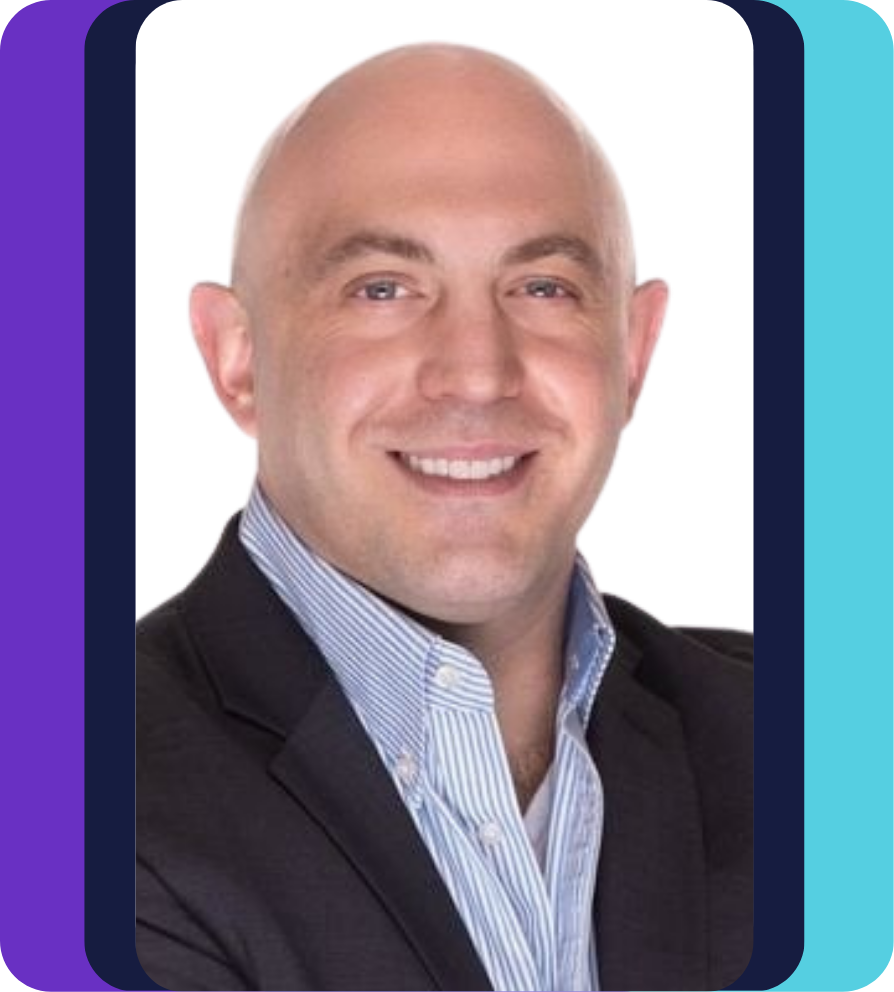
Board-Certified Psychiatrist,
Practice Founder
Dr. Matzkin focuses on evidence-based treatments for depression, anxiety, and complex mood disorders.
We understand that seeking advanced depression treatment often happens after a long and frustrating journey.
That is why every patient is approached with:
clarity
patience
respect
individualized treatment planning
Reach Out Today
Your Mental Health Matters
We recognize that every individual’s journey is unique, and we’re here to provide personalized care and support.

Experienced psychiatric care with compassion
Gideon Matzkin, MD, ABPN
Board-Certified Psychiatrist, Practice Founder
Dr. Matzkin focuses on evidence-based treatments for depression, anxiety, and complex mood disorders.
We understand that seeking advanced depression treatment often happens after a long and frustrating journey.
That is why every patient is approached with:
- clarity
- patience
- respect
- individualized treatment planning
.
TESTIMONIALS
What Patients
Are Saying
"Compassionate, Expert Care"
"Finding quality psychiatric care was hard until I met Dr. Gideon Matzkin—empathetic, attentive, and knowledgeable, he makes treatment clear and involves me in every decision."

"Expert & Empathetic"
“Dr. Matzkin combines deep expertise with genuine empathy. The staff are always pleasant and clear in communication."
"Excellent long-term results"
"My experience with Attuned Psychiatry has been excellent. After several years of care, I continue to see meaningful progress and feel better in daily life. I highly recommend their team."
TESTIMONIALS
What Patients Are Saying
"Excellent long-term results"
"My experience with Attuned Psychiatry has been excellent. After several years of care, I continue to see meaningful progress and feel better in daily life. I highly recommend their team."
"A game-changer in psychiatric care"
"Finding quality psychiatric care had been difficult until I started working with Dr. Gideon Matzkin. He is empathetic, attentive, and highly knowledgeable, and always makes treatment options easy to understand while involving me in every care decision."
"Exceptional care with genuine compassion"
"I’ve been a patient of Attuned Psychiatry for several years and am deeply grateful for the care I’ve received from Dr. Gideon Matzkin. His strong psychiatric expertise is matched by genuine empathy and humanity. The staff are always pleasant, respectful, and clear in their communication. "
"Trusted care for our family"
"Dr. Gideon Matzkin and the team at Attuned Psychiatry have been a tremendous support for our family. He has always been kind, patient, and calm during difficult times, offering thoughtful treatment options without judgment. We’re deeply grateful for his expertise and confidently recommend him to friends and loved ones. "
.
Frequently Asked Questions
What is TMS Therapy?
Transcranial Magnetic Stimulation (TMS) is a non-invasive, non-medication treatment for depression. It uses gentle magnetic pulses to stimulate specific brain areas that regulate mood, helping your brain restore healthier patterns.
Is TMS covered by insurance?
Yes. Many plans provide coverage. Our team helps verify benefits before treatment begins.
How long is each session?
Sessions typically last 20–40 minutes, and you can return to your normal activities immediately afterward. No anesthesia or sedation is required.
How fast can TMS work?
Some patients notice early improvements within the first few weeks, while others experience gradual benefits over the full course of treatment. Results vary by individual.
Does TMS hurt?
Most people feel a light tapping or clicking sensation on the scalp. It’s generally well-tolerated, and any mild discomfort usually eases after the first few sessions.
Can I drive after treatment?
Yes. TMS does not affect alertness, so you can drive yourself to and from appointments.
Frequently Asked Questions
What is TMS Therapy?
Transcranial Magnetic Stimulation (TMS) is a non-invasive, non-medication treatment for depression. It uses gentle magnetic pulses to stimulate specific brain areas that regulate mood, helping your brain restore healthier patterns.
Is TMS covered by insurance?
Yes. Many plans provide coverage. Our team helps verify benefits before treatment begins.
How long is each session?
Sessions typically last 20–40 minutes, and you can return to your normal activities immediately afterward. No anesthesia or sedation is required.
How fast can TMS work?
Some patients notice early improvements within the first few weeks, while others experience gradual benefits over the full course of treatment. Results vary by individual.
Does TMS hurt?
Most people feel a light tapping or clicking sensation on the scalp. It’s generally well-tolerated, and any mild discomfort usually eases after the first few sessions.
Can I drive after treatment?
Yes. TMS does not affect alertness, so you can drive yourself to and from appointments.
Professional
Affiliations








You do not have to keep waiting for things to improve alone.
If depression has continued
despite treatment, a different option may help.

Policies
Contact Us


©️ Copyright 2026 Attuned Psychiatry |
Made by Maeshiko Alenton
Take the First Step Toward Feeling Better
If depression has continued despite treatment, a different option may help.
Policies
Contact Us
©️ Copyright 2026 Attuned Psychiatry | Made by Maeshiko Alenton